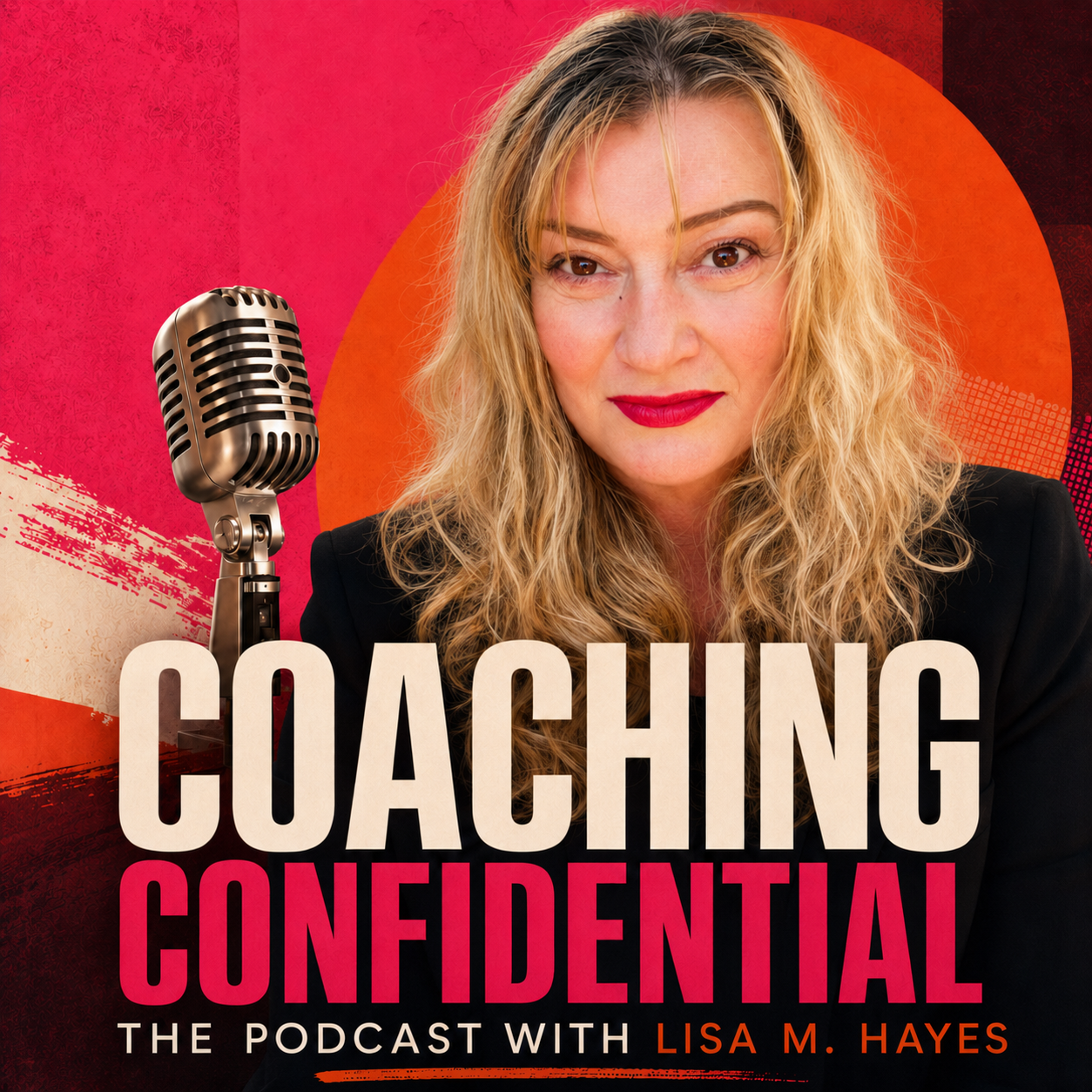
The Fighting in Your Relationship is Not Normal or Healthy - You Can Make it Stop
Healthy relationships aren't hard work

Listen to Podcast Here.
There is a general perception in our culture that it's normal for couples to fight. The pervasive belief is marriage and relationships are hard work. You hear that all the time. So, it's no surprise that many people think if you're going to commit, you need to roll up your sleeves and get prepared to battle your way through a lifetime of togetherness. That sounds like no one's idea of a good idea and it sets us up to believe that unhappy, dysfunctional relationships are normal. And yet, lots of people decide to do it anyway. It's a mystery.
So we couple up, and hope for happily-ever-after but prepare for the worst, because you know, it's going to be hard work. And after the new car smell wears off it starts. Maybe it's not much in the beginning, but we fight and we think that fighting is normal, if not actually healthy.
However, over time, conflict and resentment start to color how we perceive our relationships and our partners. In fact, eventually, conflict and resentment change the way we think about ourselves. The truth is a lot of fighting in a relationship, while it might be normal, is not healthy at all. The long-term prognosis for a couple that's fighting a lot isn't good, no matter how normal fighting might or might not be.
I read somewhere recently that as soon as 12 months into a relationship, most people report that their partners are different than the person they met. By eighteen months in, they are reporting that those differences are not awesome and they miss the person they fell in love with. This is about the time in many relationships that fighting becomes a regular occurrence, at least weekly if not more.
As a relationship coach, I talk to a lot of couples at a point in their relationship where there is a lot of conflict. They are fighting on the regular and they are not digging it. So, I get a lot of opportunities to dissect the battles couples have and even do post-mortem evaluations on relationships that have failed completely.
Here's what I know about most fights couples have.
1. Usually, couples are fighting about things that don't matter.
2. It's not unusual for couples to fight about things that aren't the things they are upset about.
3. It's very common for couples to fight about things that happened in the near or distant past. Unforgiven hurts often drive conflict.
4. It's very common for fights to be fueled by unforgiven hurts from the past even when the topic of the fight is something completely unrelated.
So, how does a couple break a cycle of fighting when conflict becomes the norm and communication starts to fail routinely? I get asked that question a lot because it's a smart question and the answer is pretty simple.
Deal with what's in front of you right now. Although that might sound simple or obvious, in real life, it's not.
When I'm working with a couple that is entrenched in a pattern of conflict and fighting we implement what I refer to as the seventy-two-hour rule. I'll just cut to the chase now and tell you when a couple can implement this plan, the dynamics in the home and relationship improve significantly and it usually happens pretty quickly.
So, here is the secret sauce:
You are not allowed to bring up anything negative you think your partner did that happened more than 72 hours ago - period.
If your partner pisses you off, you might want to wait a few hours or even overnight to let things cool off a bit. I know that's usually a good idea for me because I have a tendency to come in a little hot. That whole bit about never go to bed mad is not a "rule" that works in my home. Sometimes cooler heads prevail when the sun comes up on a new day. However, if I sit on it and let it stew for more than 72 hours, it's off limits forever. When I stew on something for too long, it starts to brew into something bigger than it was when it happens. So, if it happened last week, it's completely off the table.
By playing that way, it keeps a relationship current. It also encourages people to be honest with themselves and process personal issues in real time. You know if it's an issue, you better deal with it rather than repressing it or banking it for ammunition in a future fight. By being with conflict in real time, a relationship starts to feel a lot less like a minefield. For better or worse everyone knows where they are. No one is walking on eggshells afraid they are going to step on something buried long ago.
Generally speaking, it's a lot easier to forgive when you're operating on the seventy-two-hour rule. When you quit bringing something up over and over again in the heat of the moment that happened previously, those things tend to lose their heat and intensity naturally over time. If you're not replaying a bad thing as fuel or ammunition the offenses tend to drift off peacefully into the past, where they belong.
Communication skills also improve. Because you're managing conflict in the moment without a lot of scattershot from the past, you learn to manage the issue in front of you much more effectively. What might have been a huge blowout previously because it was fueled with gallons of the previous resentments, can often be resolved in a pretty simple conversation without the drama.
When you're not bringing up a pile of steaming past crap, the focus of conflict can be problem-solving and resolution instead of score-keeping. While many couples won't admit they are keeping score, if they are not current in their relationship, I can assure you they are.
Inevitably, when I explain the seventy-two-hour rule to a couple, one of them will say, "Yeah, that sounds good, BUT that thing he/she did two summers ago, I'm not over it. I wish I were, but I'm not."
And here's the thing about that: You have no business staying in a relationship where you can't/won't/haven't forgiven. Staying in a relationship where things remain unforgiven is like purgatory. The unforgiven acts will always become ammunition and a relationship that is pickling in the pain of the past cannot grow. It will remain stuck at it's most painful parts of the past forever. That's no way to live.
If something has happened that for real cannot be forgiven, then you've got to get out and move on, for your sake and that of your partner. It happens. I've been there. Sometimes forgiving someone might actually mean moving on because the damage was too much to heal together.
However, if you're going to stay, you've got to be willing to let it go. Forgiveness is a whole other topic people tend to complicate. However, at the end of the day, it's really pretty black and white. Either you can forgive it and move forward together or you can't in which case you can work on forgiving by moving forward alone.
Now, all of this might sound too simple or maybe even too complicated. It's one of those things that's simple but not easy. I'm not suggesting letting go of the past to be in the present with your partner is easy. However, the present is where your relationship is actually happening. So, if you're finding yourself fighting with your partner often enough you think it might be doing damage, (it might not take that much fighting to do just that), sit down with your partner and implement the seventy-two-hour rule.
It might not fix everything, but it will fix a lot of things and fixing a lot of things is worth doing because a healthy relationship is not hard work.
Sharing is sexy. If you liked this article, share, comment, or pass it on.
Lisa Hayes, The Love Whisperer, is an LOA Relationship Coach. She helps clients leverage Law of Attraction to get the relationships they dream about and build the lives they want. Lisa is the author of the newly released hit book, Score Your Soulmate and How to Escape from Relationship Hell and The Passion Plan.